

How to Know If You're Low on Electrolytes: 8 Signs
Drank water and still feel off? Low electrolytes could be why. Bio Gen Lab runs a quick blood test to find the real cause behind your fatigue. Book today.
Blog Details
Drank water and still feel off? Low electrolytes could be why. Bio Gen Lab runs a quick blood test to find the real cause behind your fatigue. Book today.
You drank the coffee. You took a nap. You watched three "morning routine" videos at 2 p.m., and you still feel like a phone stuck at 3% battery. Meanwhile, someone online swears a $9 powder will fix your whole life.
Before you add that to your cart, try this thought: your body runs on tiny sparks of electricity, and those sparks need minerals to work. When the minerals run low, things feel off. At Bio Gen Lab, we run electrolyte blood tests every day, so we've seen how often "I'm just tired" turns out to have a simple cause.
Let's go through the 8 signs, what's normal, and when it's time to call someone in a white coat.
Your body runs on tiny sparks of electricity, and those sparks need minerals to work. When minerals run low, things feel off — and a simple blood test is the only way to know for sure.
• Electrolytes are minerals like sodium, potassium, magnesium, and calcium that help your nerves, muscles, and heart work. • Common signs of low electrolytes are tiredness, headaches, dizziness, cramps, and a fluttery heartbeat. • You can drink plenty of water and still be low on electrolytes. • Keto and low carb diets can make you lose more sodium and water than usual. • A simple blood test is the only way to know for sure.
Electrolytes are minerals that carry a small electric charge when they mix with water. Your body uses that charge to send signals between nerves, move your muscles, and keep your heartbeat steady.
Fun fact: the word "electrolyte" goes back to the 1830s, when scientist Michael Faraday helped coin it. Almost 200 years later, we still use it, mostly to sell sports drinks.
Each electrolyte has a specific role in keeping your body functioning properly. Some help regulate fluid levels, while others support muscle movement, nerve signals, and heart function.
• Sodium: Helps balance fluids in and around your cells and supports normal nerve signals and muscle function. You can get it from table salt, broth, pickles, and many packaged foods. • Potassium: Helps maintain a steady heartbeat and supports muscle and nerve function. Common sources include bananas, potatoes, beans, spinach, and avocados. • Magnesium: Supports normal muscle and nerve function and plays a role in many processes throughout the body. Nuts, seeds, leafy greens, and whole grains are good sources. • Calcium: Helps muscles contract, supports healthy bones, and plays a role in nerve signaling. It is found in dairy products, fortified foods, canned fish with edible bones, and some leafy greens. • Chloride: Works alongside sodium to maintain fluid balance and support normal digestion. Table salt and many vegetables provide chloride. • Bicarbonate: Helps maintain your body's acid-base balance, preventing your blood from becoming too acidic. Unlike the other electrolytes listed here, bicarbonate is mainly produced and regulated by your body.
When your body is low on electrolytes, nerves and muscles don't get clear signals, and fluid levels shift. That's why the signs often show up in the places that rely on those signals: your muscles, your head, and your heart.
Mild shifts are common and often fix themselves. Bigger drops can cause real trouble, and that's why it's smart to know the signs.
One more thing before the list: These signs are not a diagnosis. Many of them also show up with dehydration, low blood sugar, poor sleep, stress, or other health issues. Think of them as clues, not answers.
1. You feel tired and weak (even after sleeping) Does being low on electrolytes make you tired? It can. Sodium, potassium, and magnesium all help your muscles and nerves do their job. When they run low, simple things like climbing stairs can feel like a workout. Low potassium is a common culprit for general weakness. The tiredness often feels heavy and doesn't go away with one good night of sleep.
2. You get headaches Can being low on electrolytes cause headaches? Yes, it can. Both dehydration and low sodium are linked to headaches. A dull, pressure-type headache after a long sweaty day or a few rounds of stomach bug is a classic example. If your headaches come with nausea or confusion, don't wait. Get checked.
3. You feel dizzy or lightheaded Can being low on electrolytes cause dizziness? It can. When you lose fluid and sodium, your blood volume drops, and so can your blood pressure. Stand up too fast, and the room does a little spin. This is called feeling lightheaded, and it's one of the most common low on electrolytes symptoms. If you faint or nearly faint, tell a provider.
4. Your muscles cramp or twitch That calf cramp that wakes you up at 3 a.m. may be more than bad luck. Magnesium, potassium, and calcium all help muscles relax and contract. When the balance is off, muscles can cramp, twitch, or feel tight. Cramps also come from overwork, so one cramp alone doesn't prove anything. A pattern is what matters.
5. Your heart feels fluttery or skips Your heart is a muscle, and it runs on electrical signals. Low potassium or magnesium can make it feel like it's racing, pounding, or skipping a beat. Don't brush this one off. If you feel palpitations along with chest pain, shortness of breath, or fainting, treat it as an emergency.
6. Your stomach feels off Low electrolytes can show up as nausea, bloating, or constipation. Low potassium can slow down the muscles in your gut, which is why constipation can show up. It also works the other way around: vomiting and diarrhea can cause low electrolytes in the first place.
7. Your brain feels foggy Can't focus? Feeling confused or oddly irritable? Sodium plays a big role in how your brain cells work. When sodium drops too low, thinking can get slow and fuzzy. Mild fog is common with a bad night's sleep. Sudden confusion, though, needs medical care right away.
8. You feel tingling or numbness Pins and needles in your hands, feet, or around your mouth can point to a calcium or magnesium problem. These minerals help nerves send clean signals. When they're low, those signals get scrambled. Tingling can also come from many other causes, like sitting on your foot. Again, a pattern is the clue.
If you're asking "am I low on electrolytes?", these questions can help you decide if it's worth getting tested: • Have you sweated a lot lately from hot weather, workouts, or a sauna? • Have you had vomiting or diarrhea in the past few days? • Do you take a water pill (diuretic), or other medicine that affects fluids or minerals? • Have you changed your diet recently, like going keto or low carb? • Are you drinking a lot of plain water without eating much salty food? • Do you have two or more of the signs above that keep coming back?
If you said yes to a few, it's a good time to talk with your provider. A quick blood test can replace the guessing.
Yes. This surprises a lot of people. You can drink plenty of water and still run low on electrolytes.
Here's why: If you drink a large amount of plain water in a short time, especially during long, sweaty exercise, you can dilute the sodium in your blood. The medical name for low blood sodium is hyponatremia. It's rare in everyday life, but it can happen to endurance athletes and people who drink water nonstop.
Here's a simple way to picture it: Imagine a glass of orange juice. Keep adding water, and it still looks like juice, but it's much weaker. Your blood works the same way with sodium.
So being hydrated doesn't always mean being balanced. Water gets fluid in. Electrolytes help keep it where it belongs.
People often search for electrolytes for low blood pressure on a keto diet, or electrolytes for low blood pressure on a low carb diet. The reason is simple: these diets change how your body handles salt and water.
Why keto and low carb diets can drain electrolytes: When you eat fewer carbs, your insulin levels drop. Lower insulin signals your kidneys to release more sodium, and more water goes with it. That's part of why people lose scale weight fast at the start. Less sodium and less water can mean lower blood volume. For some people, that shows up as lightheadedness, headaches, tiredness, and muscle cramps. Many call this the "keto flu."
What people often try: Many people on these diets add salt to their food, drink broth, and eat potassium and magnesium foods like avocado, spinach, nuts, and seeds. For some, that helps a lot. Doctors sometimes suggest more salt and fluids for certain people with low blood pressure. But that advice depends on the person, so it isn't a one-size-fits-all fix.
Check before you load up: Here's the part social media skips: More isn't always better. • Potassium can be risky in high amounts, especially if you have kidney problems or take certain blood pressure or heart medicines. • If you take blood pressure medicine, a keto or low carb diet can sometimes lower your blood pressure further. Your provider may want to adjust your dose. • Salt isn't safe for everyone, such as some people with heart or kidney conditions. So before you start any electrolyte routine for low blood pressure, check with your provider. A blood test shows what you're actually low on, so you don't have to guess.
Some people are more likely to run low than others. That includes: • People who sweat a lot, like athletes or outdoor workers • Anyone with vomiting or diarrhea • People taking diuretics, some heart or blood pressure medicines, or certain other medications • Older adults, who may feel thirst less • People on very low carb or restricted diets • Anyone with kidney, heart, or hormone-related conditions • People who drink large amounts of plain water or a lot of alcohol
If you're in one of these groups, it's worth paying closer attention to the signs.
Mild signs can wait for an appointment. These can't. Get urgent care or call 911 if you have: • Fainting or near-fainting • Chest pain, or a heartbeat that's very fast or irregular • Trouble breathing • A seizure • Severe confusion or sudden behavior changes • Vomiting or diarrhea that won't stop
When in doubt, get checked. It's always better to be told it was nothing.
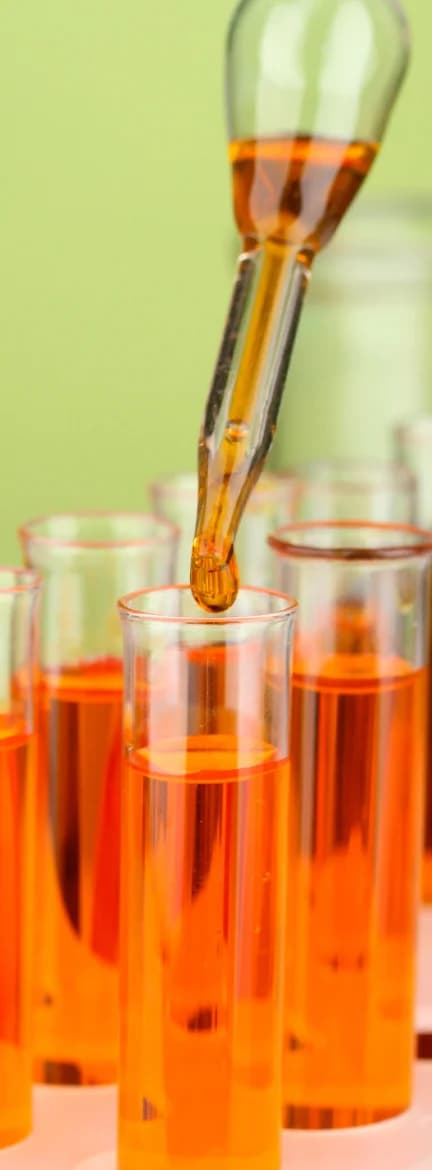
A lab checks electrolytes with a simple blood draw as part of our clinical chemistry services. Your provider usually orders it as an electrolyte panel, or as part of a basic metabolic panel (BMP) or comprehensive metabolic panel (CMP).
What's in the panel: A BMP typically includes sodium, potassium, chloride, bicarbonate (often listed as CO2), and calcium. It also checks glucose and kidney markers. A CMP adds liver tests and proteins. Magnesium and phosphorus are sometimes ordered separately. You can browse our full test menu to see every panel available.
Normal ranges differ slightly from lab to lab. Many labs list sodium at roughly 135 to 145 and potassium at roughly 3.5 to 5.0 (in mmol/L), but your report will show the exact range used.
Test day tips from the lab side: • Ask about fasting: An electrolyte panel alone usually doesn't need it, but a BMP or CMP sometimes does because of the glucose test. Follow your provider's instructions. • Tell them what you take: Supplements, water pills, and other medicines can change your results. • Stay relaxed during the draw: A clenched fist or a hard-to-find vein can damage some blood cells, which can make potassium look higher than it really is. Labs call this hemolysis, and it's a common reason for a recheck. • Ask when results come in: Timing varies by lab and test, and your provider can explain what the numbers mean for you.
For most healthy people, food and normal fluids do the job. A few simple habits help: • Eat a mix of fruits, vegetables, beans, nuts, seeds, and dairy or fortified alternatives • Drink fluids steadily through the day instead of chugging all at once • After heavy sweating, vomiting, or diarrhea, replace fluids and electrolytes, not just plain water • Check labels on sports drinks, since some have a lot of sugar • Don't take high-dose electrolyte supplements unless a provider says so
Fun fact: the first big sports drink, Gatorade, was created in 1965 at the University of Florida for the school's football team, the Gators. Electrolyte drinks have been around for a long time. Your body's need for them has been around even longer.
Low electrolytes can feel like plain old tiredness at first. But if you notice a mix of fatigue, headaches, dizziness, cramps, a fluttery heartbeat, stomach trouble, brain fog, or tingling, your body may be trying to tell you something.
You can be hydrated and still run low. Diets like keto and low carb can raise your chances. And guessing, or buying every powder you see, isn't a plan.
A blood test takes the mystery out of it. If you're curious about electrolyte testing, talk with your provider, or reach out to Bio Gen Lab with questions about how lab testing works.
What are the first signs of low electrolytes? Early signs often include tiredness, headaches, muscle cramps, and feeling lightheaded. Some people also notice nausea or a fluttery heartbeat. These signs overlap with many other issues, so a blood test is the best way to know for sure.
How long does it take to fix low electrolytes? It depends on the cause and how low they are. Mild cases may improve within a day or two with food and fluids. Bigger drops can need medical care. Your provider can tell you what's right for you.
Do electrolyte drinks actually work? They can help after heavy sweating, vomiting, or diarrhea, when you lose both fluid and minerals. For everyday life, most people get enough from food. Check the sugar content, and ask your provider if you have heart or kidney issues.
Can stress or poor sleep mimic low electrolytes? Yes. Stress and poor sleep can cause tiredness, headaches, and brain fog, which look a lot like low electrolyte signs. That's why testing helps. It separates what's mineral-related from what isn't.
Which doctor should I see if I think my electrolytes are low? Start with your primary care provider. They can order a blood test and review your medicines and diet. If a result is off, they may send you to a specialist, such as a kidney or heart doctor.
Bio Gen Labs Clinical Team
Clinical Chemistry & Laboratory Medicine
The clinical chemistry and laboratory diagnostics team at Bio Gen Labs provides CLIA-certified and CAP-accredited diagnostic testing, comprehensive metabolic panels, and routine blood analysis nationwide.
More clinical perspectives and testing guidance from our medical and scientific teams.